As The Sod Turns Landscape & Design Inc for Professional Outdoor Design
As The Sod Turns Landscape & Design Inc for Professional Outdoor Design
Blog Article
Transform Your Outdoors With Professional Landscaping Services
Professional landscaping services that revitalize exterior areas can significantly boost both aesthetic value and practical functionality. Professional landscape designers evaluate specific properties, customizing designs to accommodate particular weather patterns and earth composition. They integrate a range of vegetation and constructed features to establish attractive outdoor areas. This calculated method strengthens home value while also lowers upkeep demands. Comprehending the fundamental components of accomplished landscaping is essential for residents hoping to enhance their exterior lifestyle. What steps should they move forward with?
The Rewards of Skilled Landscaping Services
Professional landscaping services convert outdoor spaces into functional and aesthetically pleasing environments. These services provide a range of benefits that extend beyond mere appearance. One important benefit is the enhancement of property value; well-designed landscapes can notably boost a home's market appeal. Additionally, professional landscapers possess the expertise to choose appropriate plants and materials tailored to specific climates and soil types, guaranteeing sustainability and longevity.
Furthermore, these offerings can strengthen outdoor usability, building spaces for comfort, entertainment, or play. By methodically designing layouts, landscape contractors maximize the use of space while blending in elements like access routes, outdoor floors, and green spaces.
Furthermore, hiring specialists can preserve homeowners time and effort, alleviating the load of coordination and preservation. This enables individuals to delight in their landscape areas without the stress of regular maintenance. Ultimately, skilled landscape companies generate environments that amplify both the charm and practicality of outdoor areas.
Indispensable Features for a Thriving Landscape Design
A thriving landscape design is characterized by multiple important elements that add to both functionality and aesthetic beauty. First, a carefully planned layout maximizes space, ensuring ease of navigation while establishing separate zones for relaxation and entertainment. Second, the incorporation of hardscaping elements, such as pathways, patios, and retaining walls, adds organization and durability to the design. Third, effective drainage solutions are critical to prevent water accumulation and protect plant health.
Additionally, the use of focal points, like sculptures or water features, attracts the eye and strengthens decorative appeal. Lighting plays an essential role as well, illuminating garden paths and highlighting essential landscape elements, thereby extending usability into the evening hours. Finally, a diverse plant selection, which recognizes seasonal transitions, boosts biodiversity and supports local wildlife. Together, these features create a integrated and engaging exterior environment that reflects the homeowner's taste while addressing practical needs.
Steps to Determine the Best Plants for Your Outdoor Area
How can homeowners choose the perfect plants for their gardens? First, understanding the local climate is essential; plants should flourish in the specific temperature and rainfall conditions of the area. Next, evaluating sunlight exposure helps determine whether to select shade-loving or sun-loving varieties. Soil type also plays a important role; testing soil pH and texture ensures compatibility with selected plants.
Homeowners should think about the yard's dimensions and design, opting for plants that enhance the space without overcrowding. Additionally, selecting native plants can enhance local ecosystem diversity while demanding less maintenance.
Finally, considering personal tastes—such as hue, texture, and seasonal interest—will help create a visually appealing landscape. A carefully planned combination of these factors ultimately leads to a vibrant and harmonious outdoor environment that showcases the homeowner's aesthetic while being eco-friendly and easy to maintain.
Boosting Functionality With Hardscaping
Hardscaping plays a crucial role in enhancing outdoor living spaces by creating practical zones for relaxation and entertainment. It also facilitates the creation of pathways and patios, directing foot traffic and creating definition to the landscape. Additionally, effective hardscaping can improve drainage and minimize soil degradation, supporting the overall well-being of the yard.
Optimizing Outdoor Living Areas
Changing exterior living areas greatly boosts their effectiveness, creating appealing areas for unwinding and gatherings. Well-planned hardscaping elements, such as retaining walls, outdoor kitchens, and fire pits, can greatly elevate these spaces. Using durable materials like stone, brick, or pavers allows homeowners to achieve a balanced aesthetic that harmonizes with nature while offering useful features. These features not only define areas for social gatherings but also improve access and organization within the outdoor environment. Furthermore, strategically placed seating arrangements can encourage conversation and foster a warm ambiance. In the end, a well-designed outdoor living space maximizes enjoyment by blending comfort with utility, making it a crucial part of modern home landscaping.
Building Pathways And Terraces
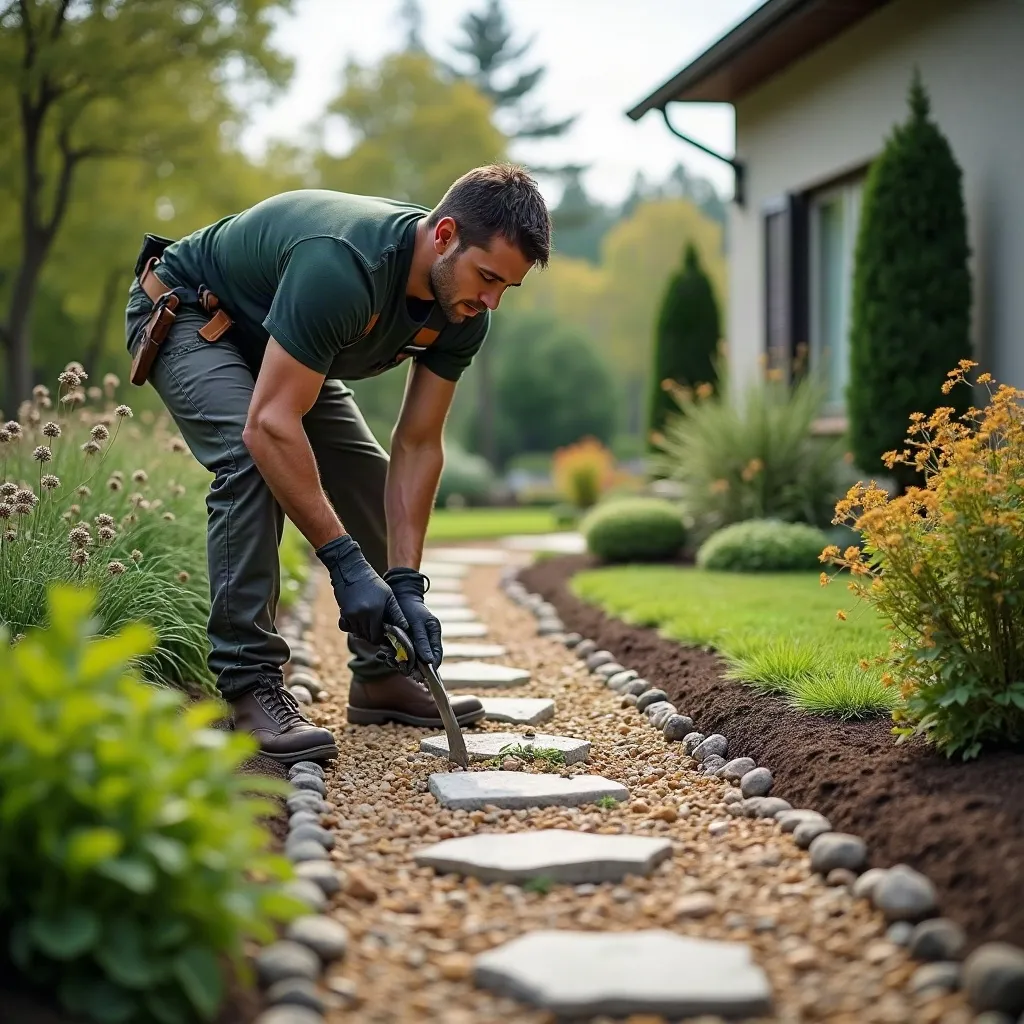
An assortment of expertly designed pathways and outdoor entertaining areas can substantially improve outdoor functionality and aesthetics. These hardscaping elements function as essential connections between different areas of a property, providing easy direction while defining zones for leisure and social gatherings. Patios establish welcoming zones for outdoor events, outfitted to accommodate furniture and social activities. Walkways, made from materials like stone, brick, or concrete, not only direct pedestrian flow but also contribute to the overall aesthetic style of the landscape. Incorporating curves and varying sizes can add aesthetic appeal, making the yard more appealing. When professionally placed, walkways and outdoor spaces integrate seamlessly with the natural environment, enhancing both practicality and aesthetic value in any external setting.
Optimizing Drainage And Erosion
Upgrading outdoor environments goes beyond aesthetics; it also entails solving practical matters like drainage and erosion. Successful landscaping melds hardscaping elements, such as retaining walls, gravel pathways, and permeable pavements, which assist in controlling water flow and curbing soil erosion. By thoughtfully positioning these features, homeowners can channel excessive rainwater away from delicate areas, preserving both plants and structures.
Moreover, adding French drains or swales can considerably improve drainage by funneling water to designated areas. These solutions not only prevent injury but also elevate the overall competence and longevity of the landscape. Ultimately, seasoned landscaping experts furnish expertise in implementing these installation methods, ensuring a balanced and resilient outdoor environment that withstands the challenges of nature.
Seasonal Upkeep Suggestions for Your Landscape
Effective seasonal maintenance is essential for preserving the beauty and health of any landscape. Homeowners should implement particular chores throughout the year to ensure their outdoor spaces flourish. In springtime, the emphasis should be on removing dead matter, aerating the soil, and applying fertilizer to encourage growth. Summer maintenance includes consistent irrigation, ground covering, and trimming to support robust vegetation while preventing disease.
As autumn unfolds, it's vital to dispose of debris, arrange garden beds for winter, and establish perennials for coming years. Winter care could involve protecting tender plants through mulch or fabric, maintaining proper drainage, and reviewing hardscapes for winter harm. By observing these seasonal maintenance view this tips, individuals can fortify their outdoor spaces' endurance and aesthetic value, developing a lush landscape all year.
What to Inquire When Choosing a Outdoor Design Service?
When picking a landscaping service, what critical questions should homeowners consider to ensure they make an informed choice? First, they should ask about the company's experience and knowledge in the particular landscaping style preferred. Grasping their approach to design and previous projects can provide valuable information.
Initially, property owners should inquire regarding insurance and licensing credentials to confirm compliance with local regulations and defense from possible risks. A detailed estimate is crucial, so asking for a detailed cost breakdown will help avoid surprise costs.
Asking about the timeline for project completion and maintenance options is also fundamental, as it affects lasting contentment. Additionally, homeowners should investigate the kinds of materials and vegetation the company employs, verifying they match personal preferences and environmental sustainability. Finally, checking feedback and requesting recommendations can offer reassurance about the service's reliability and quality.
Frequently Asked Questions
How Much Does Professional Landscape Design Usually Cost?
Professional landscaping expenses typically vary from $50 to $150 per hour, depending on the complexity of the project and location. Homeowners should take into account additional expenses for materials, design, and regular upkeep when planning finances for landscaping services.
What is the standard timeframe for a landscape job?
A landscaping project typically takes between a few days and several weeks, depending on the scope of work, size of the area, and complexity of the design, with larger projects needing additional time for finishing.
Will Landscaping Raise My Property Value?
Landscaping can greatly increase real estate value by upgrading street presence, establishing pleasant outdoor zones, and refining visual quality. Properly cared for landscaped areas and strategic design often draw interested clients, turning residences in the real estate market.
Which Licenses Are Required for Landscape Endeavors?
Landscaping projects often demand various permits, depending on local regulations. Common permits encompass those for removing trees, adding structures, and drainage modifications. Homeowners should contact local authorities to ensure adherence with zoning laws and environmental guidelines.
What Way Do Environmental Conditions Shape Your Outdoor Design?
Weather patterns considerably influence landscaping selections, as rainfall, temperature, and sunlight affect plant picking, soil preparation, and maintenance techniques. Modifying designs to local climate guarantees sustainability, growth, and overall aesthetic appeal in outdoor spaces.
Report this page